
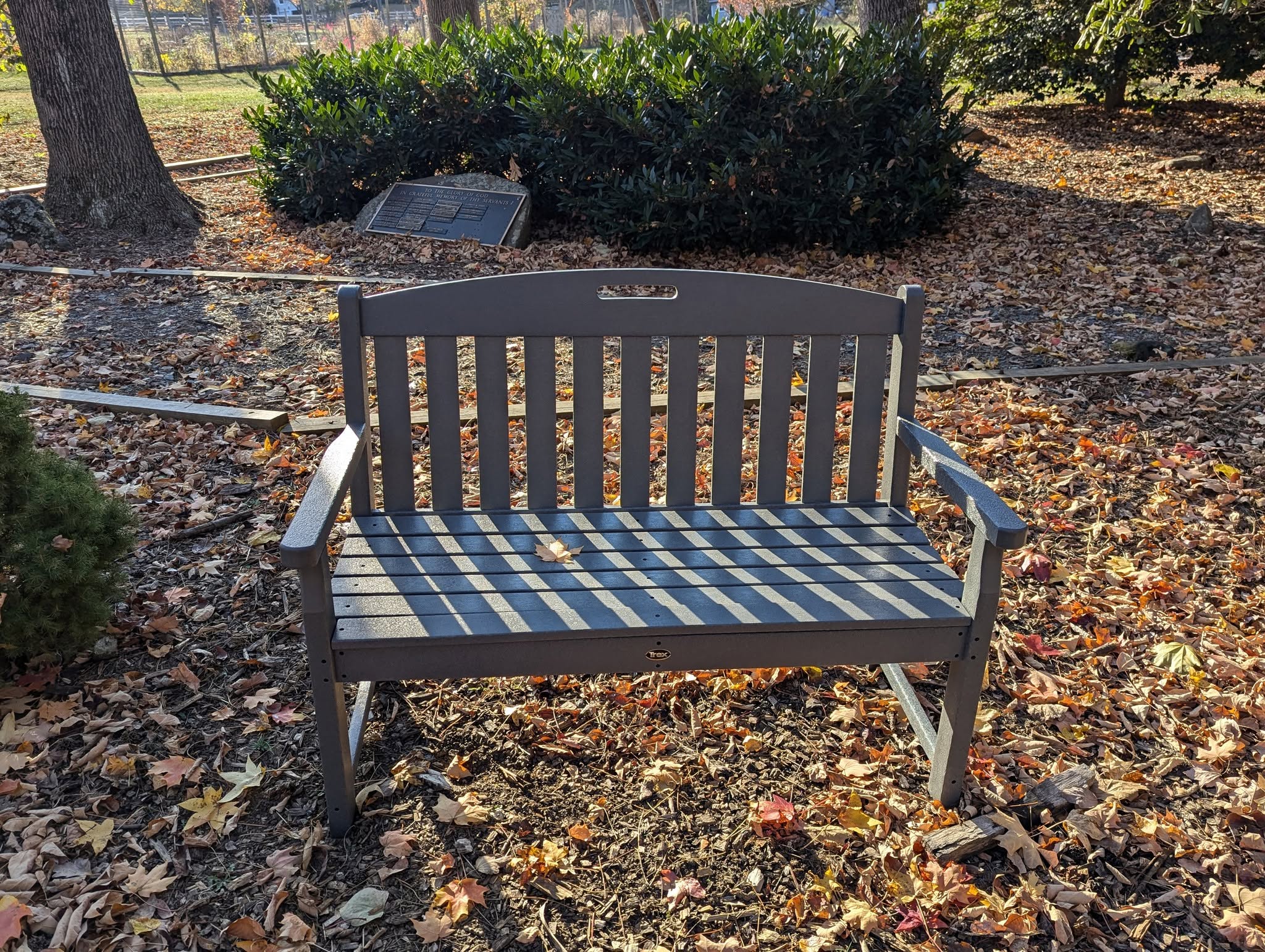
“When they were satisfied, he told his disciples, ‘Gather up the fragments left over, so that nothing may be lost.’” So reads John 6:12 in the New Revised Standard Version (NRSV), spoken just after Jesus fed 5,000 people with five barley loaves and two fish. The miracle was abundance. The instruction that followed was thrift: nothing wasted, nothing left behind in the grass.
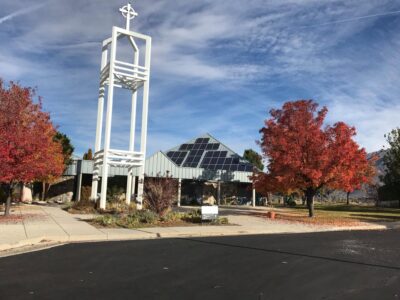
That instruction has taken shape at St. David’s Episcopal Church, whose cornerstone was laid in Radnor Township, Pennsylvania, in 1715 and which has grown into the largest congregation in the Episcopal Diocese of Pennsylvania. To the left of the doors as you enter through the main narthex entrance of the Chapel, there is a corrugated plastic collection bin. There, the church collects Amazon bubble wrap bags, plastic grocery bags, bread bags, produce bags, cereal bags, dry-cleaning bags, bubble wrap, Ziploc, and salt bags, “the stuff that usually ends up in landfills, incinerators, or our waterways, polluting our environment and injuring our health,” as the church puts it.
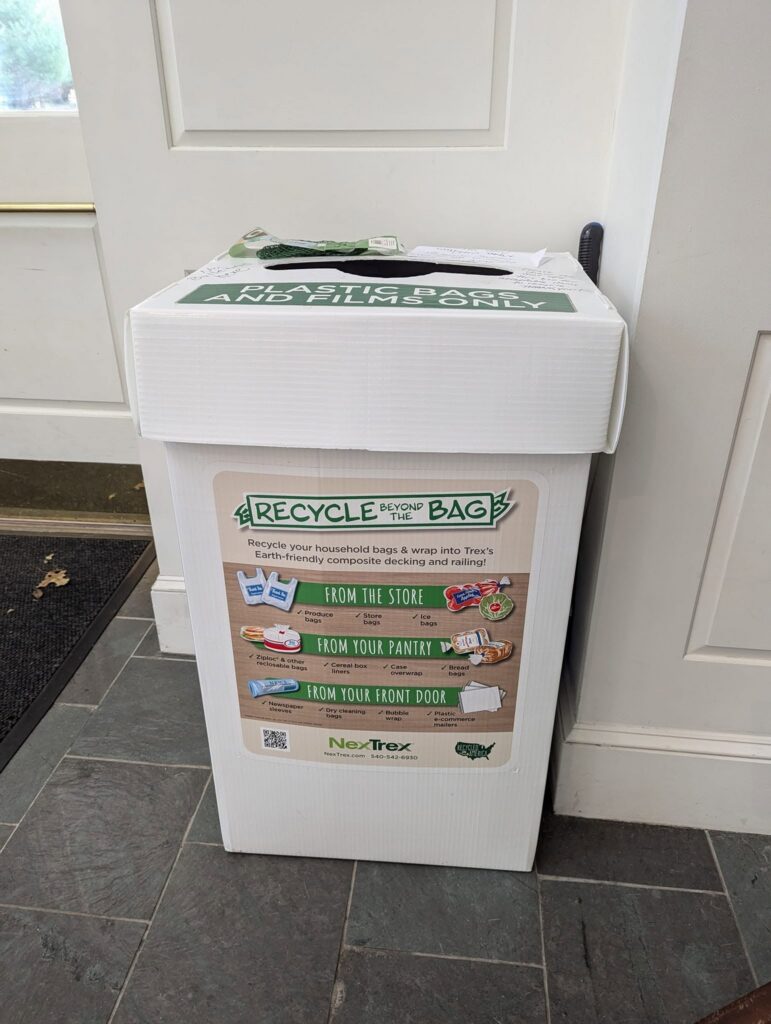
Photo Courtesy St. David’s Episcopal Church
This effort was part of a partnership between St. David’s Creation Care Committee and Trex Company. This Virginia-based manufacturer turns recycled plastic film into outdoor decking and furniture built from roughly 95 percent recycled material, and recycles an estimated 200,000 tons of film and 500,000 tons of discarded materials every year. Through the company’s NexTrex Recycling Challenge, any congregation, school, or civic group that collected 1,000 pounds of clean plastic film within twelve months earned a composite bench made from the very material its volunteers gathered. “Over the past 16 years, our partnerships with schools and community groups have become a primary channel for sourcing this key ingredient for our products, and we want to make it as easy as possible for these like-minded organizations to be part of our upcycling process,” explained recycling programs coordinator Emily Whitacre. Although the program has since been updated to give every participant a chance to be recognized, with each 250-pound entry offering a chance at a reward, that just means St. David’s had a higher bar to reach.
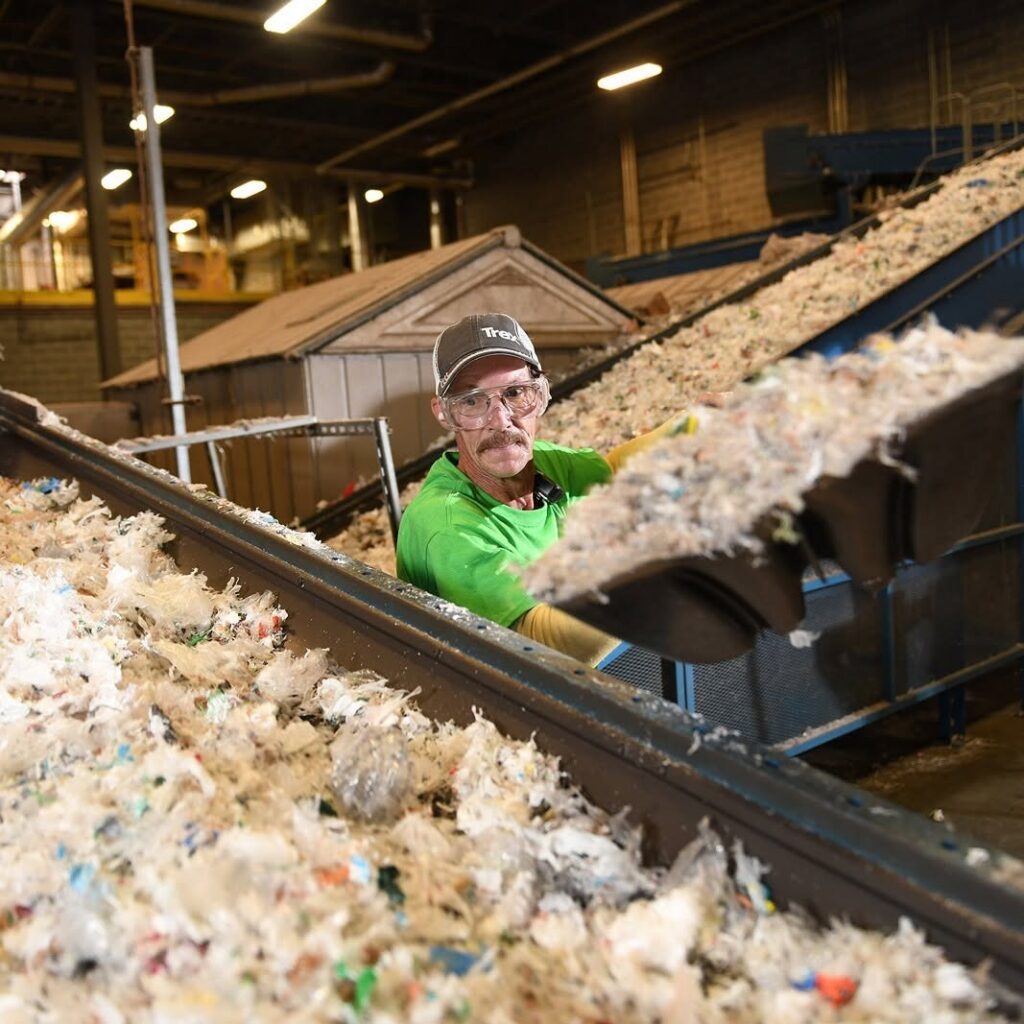
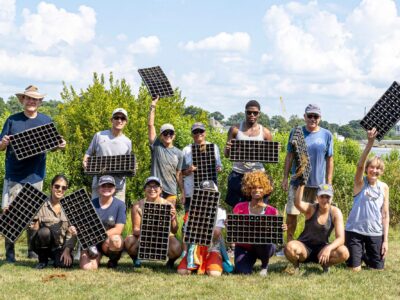
Photo Courtesy Frederick County EDA
St. David’s parishioners reached that mark in under a year, as part of a joint effort with Main Line Unitarian Church in Devon, Christ Church Ithan at Villanova, and St. Martin’s Episcopal Church in Radnor. St. David’s bench is not the first this coalition has earned. St. David’s parishioners helped Main Line Unitarian Church earn its own bench first, in an earlier round of the challenge.
The reward now sits in St. David’s arboretum, a stretch of woods along a creek that parish volunteers first planted in the late 1940s and early 1950s as a memorial place for parishioners, and where an outdoor chapel now sits. A small marker honoring the plastic-film effort came with it. Neighboring congregations also feel the weight of the work, quite literally. Vestry member Amy Harper wrote in Christ Church, Ithan’s 2024 annual parish report, “Each time I have taken a full load from the box outside the CCI parish hall, it’s weighed between 10-15 pounds! That’s a lot of plastic we are helping to recycle and keep out of landfills.” Small loads, carried faithfully, add up to a bench.
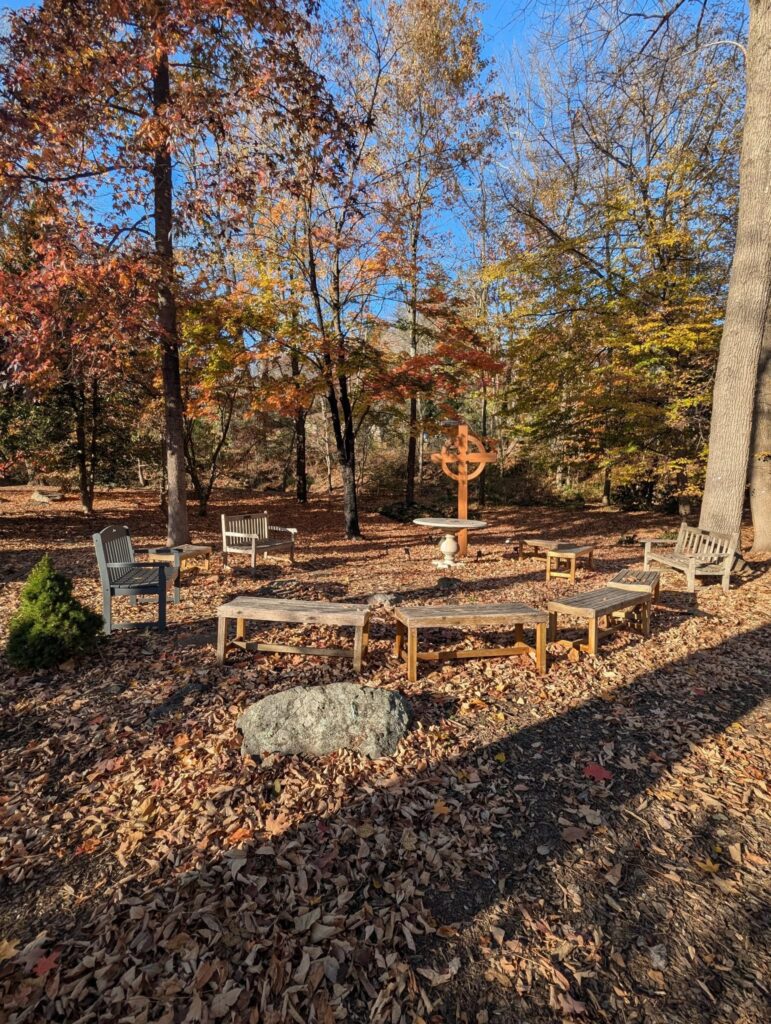
Photo Courtesy St. David’s Episcopal Church
It all aligns with the mission of St. David’s Creation Care team, which “focuses on the importance of environmental stewardship in Christian life.” The church says its programs “advance positive change on issues ranging from environmental justice to racism to poverty by providing education and action towards justice.” For example, it encourages parishioners to learn about and support local township transitions to renewable energy, to compost at home to keep food scraps out of landfills, and to “consider using Native Plants in your home garden” to help “preserve Pennsylvania’s biodiversity.”
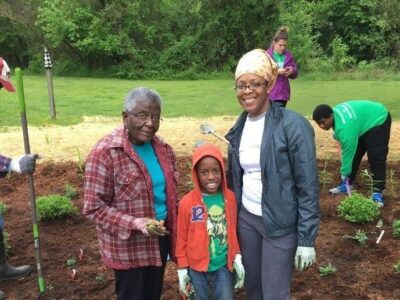
Last year, St. David’s joined the Homegrown National Park movement, which encourages people to contribute to rewilding in their own communities. The church even hosted an event with Michelle Detwiler, a native plant consultant and ecological planting designer in the Pennsylvania Piedmont, about the importance of cooperation through native plantings. St. David’s described, “Just as Jesus used the land in his parables to reveal deeper truths, we, too, can be instruments of renewal—healing and sustaining creation for future generations. Together, we can transform our landscapes, care for our neighbors (human and non-human alike), and honor the beauty and abundance of God’s world.”

Photo Courtesy St. David’s Episcopal Church
The Episcopal Church’s own Covenant for the Care of Creation calls congregations toward “Life-Giving Conservation,” adopting practical habits that let Christians live more humbly and gently on Earth. At St. David’s, that habit fits inside a cardboard box by the chapel door, and eventually, on a bench built to hold weight for years to come.
Gather up the fragments, so that nothing is lost. It was Jesus’ instruction for abundance, and it remains, in a Wayne, Pennsylvania church and three neighboring sanctuaries, a small and steady way of maintaining it.
 Copyright
2026
Root and Vine
Copyright
2026
Root and Vine