
“Love your neighbor as yourself.” New Wine Christian Fellowship places those words from Mark 12:31 (NIV) at the heart of its mission, which it describes as fulfilling “the Great Commission and the Great Commandment.” In LaPlace, Louisiana, that commandment has often meant keeping the church doors open after the power and water have gone.
Pastors Neil and Angela Bernard started the nondenominational church in their home in July 1995 with about 12 people. The congregation now ministers to several hundred people each week from its campus on West Airline Highway, with a stated vision “to work together with other local churches to evangelize the thousands of unreached people in our area.” The church takes its name from Jesus’ teaching in the Gospel of Matthew about new wine and new wineskins, and Bernard explained to L’Observateur that the new wineskin stands for a different kind of church.
“Find a need and fill it, find a hurt and heal it,” is how New Wine sums up its guiding philosophy. “People are the most important things to God,” Bernard said. “Because they matter to God, they should matter to us.”
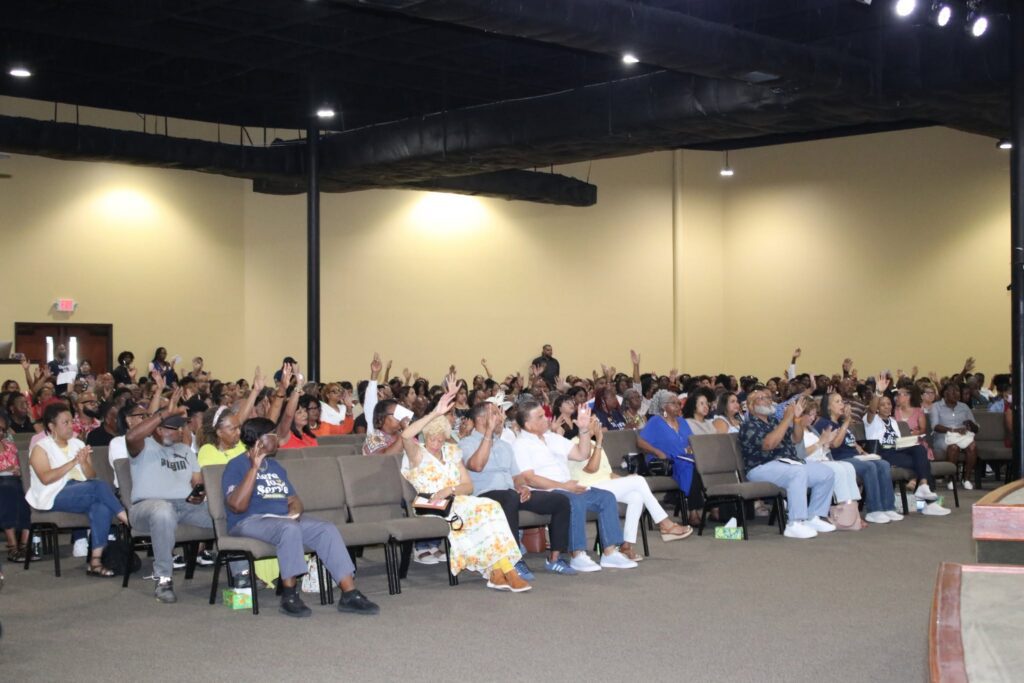
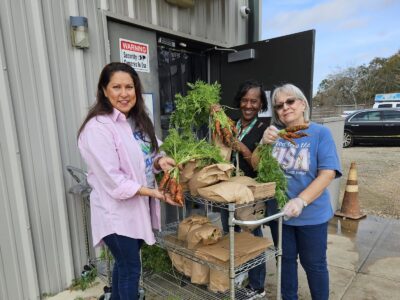
Photo Courtesy New Wine Christian Fellowship
New Wine has served its community through disasters since Hurricane Katrina in 2005, providing food, clothing, emergency shelter, and rebuilding efforts. “We have been honored to be able to serve our community in times of disaster,” Neil Bernard said. After Hurricane Isaac in 2012, the church coordinated about 4,000 volunteers in a recovery effort that helped rebuild 1,200 homes.
In August 2021, Hurricane Ida brought the hardest test. Disaster crews rescued nearly 800 people in St. John the Baptist Parish from 17 inches of rain and 5 feet of storm surge. The parish went three weeks without electricity and two weeks without water. On the night the storm struck, New Wine opened its building as a shelter for neighbors whose homes had flooded. Within days, it became a recovery hub, handing out tarps, water, food, and cleaning supplies alongside relief ministries. “Hurricane Ida is disaster No. 5, and it’s been worse than all of them,” Bernard said at the time. “It’s going to be a long-term recovery.”
Samuel Mamou, a father of five whose own home was significantly damaged in the storm, led the church’s supply distribution, which he estimated drew 800 or more cars a day. When disasters strike, he said, “Our church normally rises to the call.” Mamou has said his faith moves him to serve, and he lives by a simple motto, “If you handle God’s house, he’ll handle your house.”
By Bernard’s count, the church served 37,000 hot meals “when people had nowhere to cook” and distributed nearly 2 million pounds of food, water, and disaster goods. New Wine is a designated shelter of last resort for the parish, and the parish government provided a generator, but keeping it fueled and maintained after Ida proved challenging.
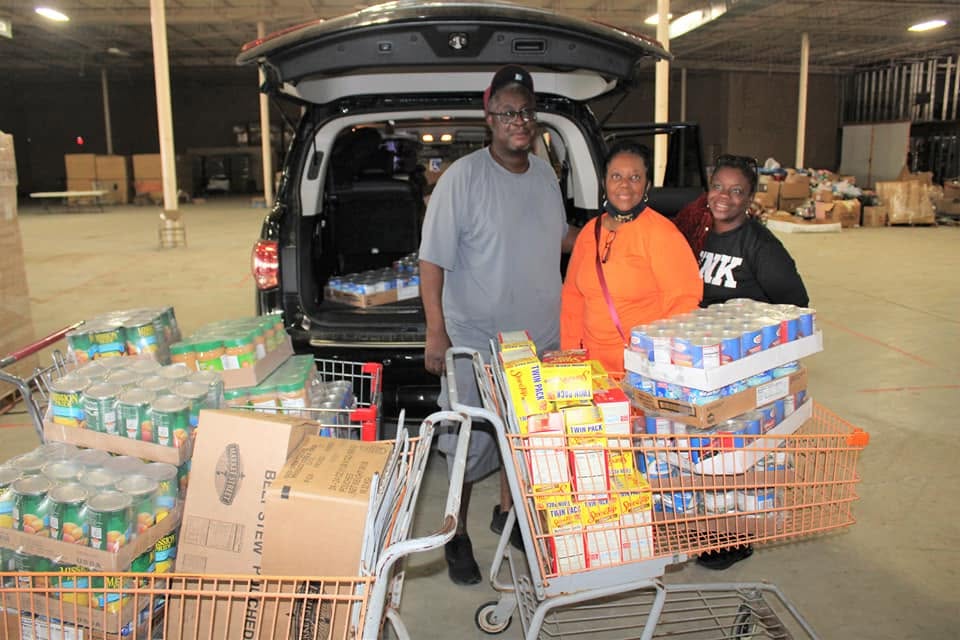
Photo Courtesy New Wine Christian Fellowship
After Ida, Together New Orleans, a network of congregations and community institutions, began equipping churches as Community Lighthouses: buildings with commercial-scale solar power and battery storage that can keep serving neighbors during extended outages. Volunteer teams at each site identify vulnerable neighbors, such as people who need refrigerated medication or rely on electric wheelchairs. Rev. JC Richardson, pastor of Cornerstone United Methodist Church in New Orleans, has said the work depends on people as much as equipment, calling them “batteries and solar panels made by the hand of God.” A $1 million Greater New Orleans Foundation grant brought the project to LaPlace, with plans for charging stations, cooling and heating stations, food distribution, and oxygen exchange for neighbors who depend on medical equipment. “Because of this partnership, now we will be able to do that at a whole new level,” Bernard said.
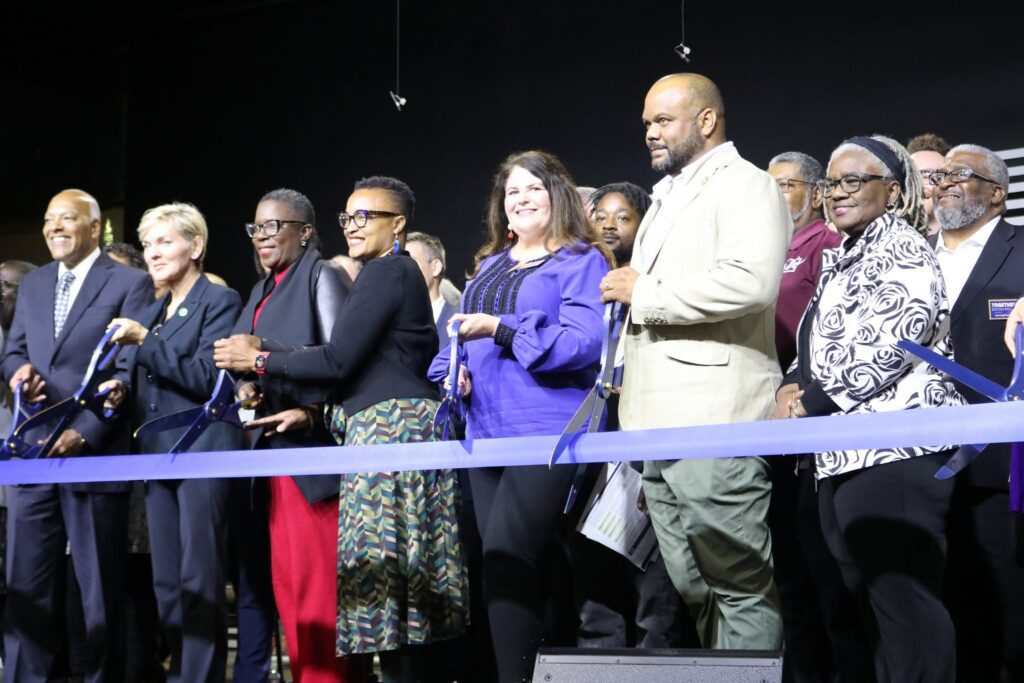
Photo Courtesy Greater New Orleans Foundation
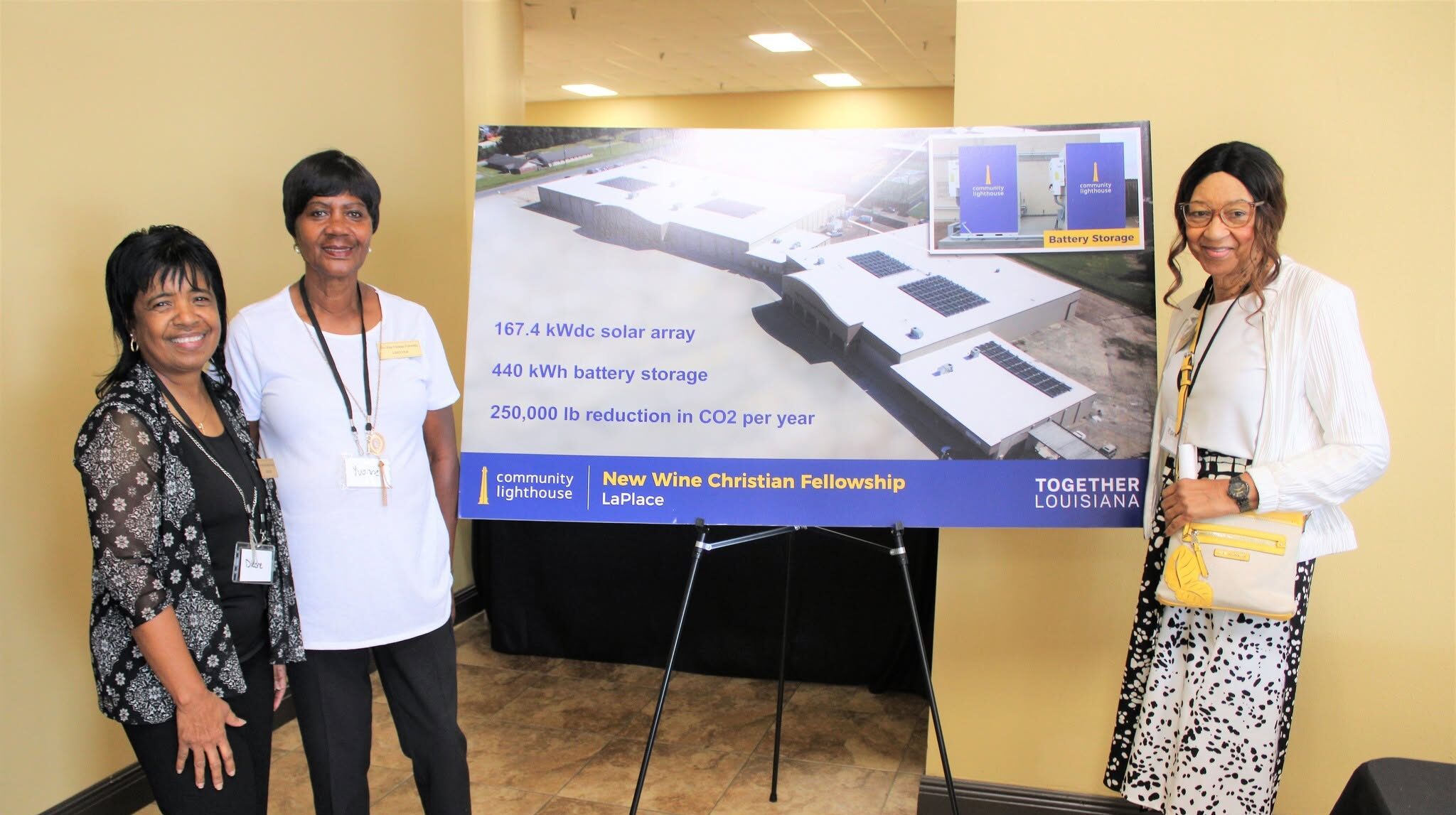
New Wine is now the largest lighthouse in the network, and its system pairs 167.4 kilowatts of solar panels with 440 kilowatt-hours of battery storage across three buildings. The sunlight it captures powers the church not only in emergencies, but year-round, and Bernard has estimated the array will cut the church’s electricity costs by 65 to 69 percent.
The lighthouse faced its first real test with Hurricane Francine in September 2024. New Wine, the only lighthouse in LaPlace, opened its Airline Highway facility, and 19 people sought shelter there. Bernard said the hundreds of panels on the roof provided more than enough electricity. “The good news is it worked just like it was designed to,” he said.
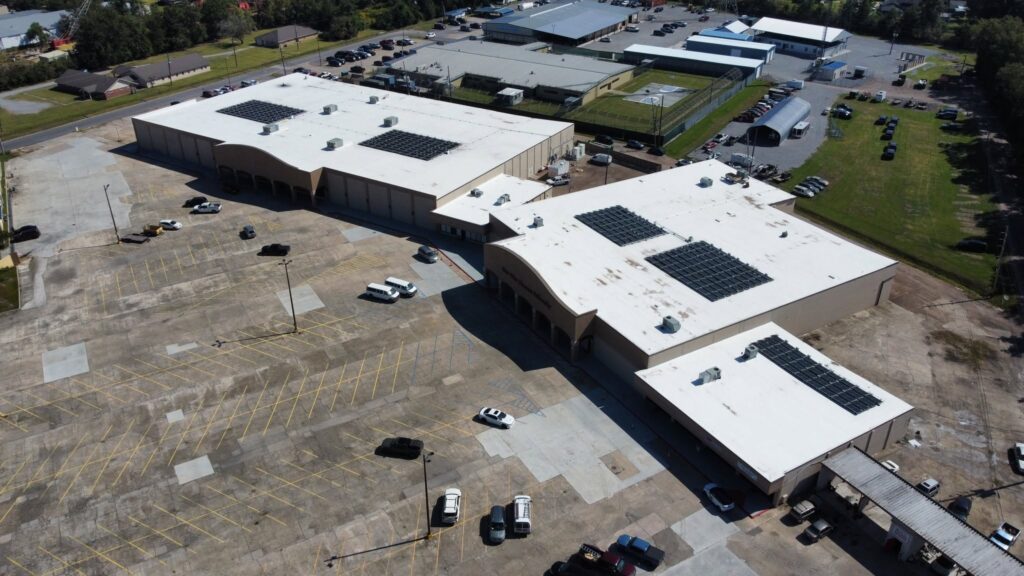
Photo Courtesy Together Louisiana
Bernard now chairs the St. John Parish Long-Term Recovery Group, and in October 2025, he was invited to the World Health Summit in Berlin to speak about protecting communities from extreme heat. “My message is that communities can be empowered to protect themselves against the growing health risks of extreme heat,” he said.
Together, New Orleans has established 14 lighthouses across the city so far, at Methodist and Lutheran congregations, a motherhouse of Catholic sisters, and other community institutions, with a goal of 86 so that every New Orleanian can walk to one in less than 15 minutes. “Wherever there’s a steeple, people expect you to be the church,” said the Rev. Shawn Anglim, who leads First Grace United Methodist Church as its founding pastor. “When the lights go out, they knock on the church door.” At St. Paul Lutheran Church in the Marigny, member Max Reichard said, “I don’t know why we exist if we’re not out there doing for other people what they can’t do for themselves.”
In LaPlace, the knock has come again and again, and New Wine has kept answering. Now, when the next storm passes, and the grid goes quiet, its neighbors will find the lights on, the doors open, and a congregation still keeping the Great Commandment.
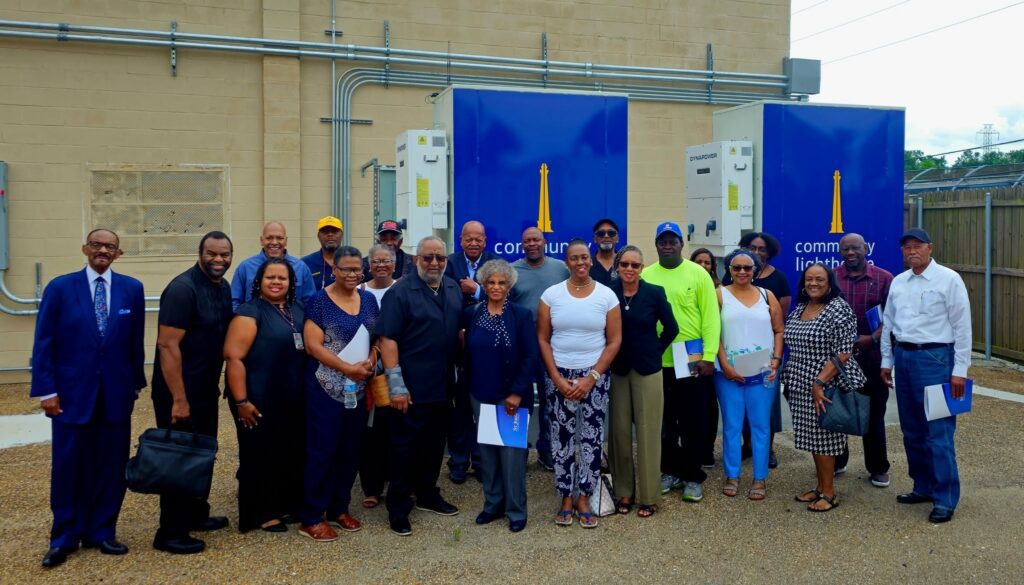
Photo Courtesy Together Louisiana
 Copyright
2026
Root and Vine