
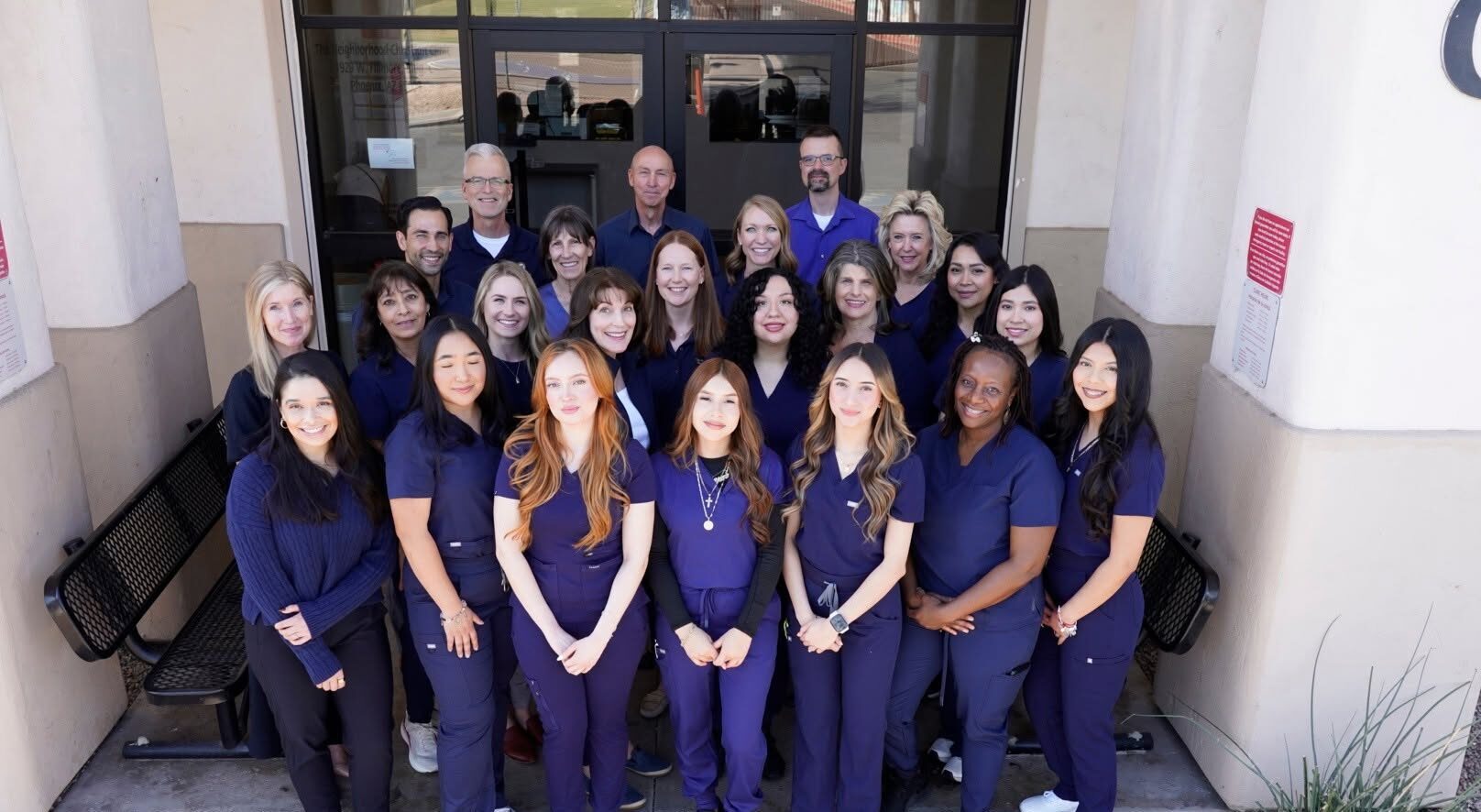
“I was naked and you gave me clothing, I was sick and you took care of me, I was in prison and you visited me,” Jesus tells his followers in Matthew 25:36, New Revised Standard Version Updated Edition (NRSVue), naming care for the sick among the marks of those who inherit his kingdom. In 1999, a small group of doctors and volunteers opened a clinic in downtown Phoenix, building quite literally around that verse. They stocked the exam rooms, trained the volunteers, and waited to see who would come. That first night, three patients walked through the door. It was a small start to what would become the Neighborhood Christian Clinic (NCC).
Twenty-six years later, the clinic still serves the population its founders set out to reach: “The clinic was set up to serve the needs of the working poor—people who don’t have medical insurance,” explained Dr. Paul Lorentsen, the clinic’s co-founder and medical director. The clinic estimates that more than a million people in the Phoenix area lack the healthcare they need, and the state’s own numbers point in the same direction. Arizona ranked 34th of 50 states in the Commonwealth Fund‘s 2025 scorecard on health system performance, a measure of access, affordability, and outcomes nationwide.
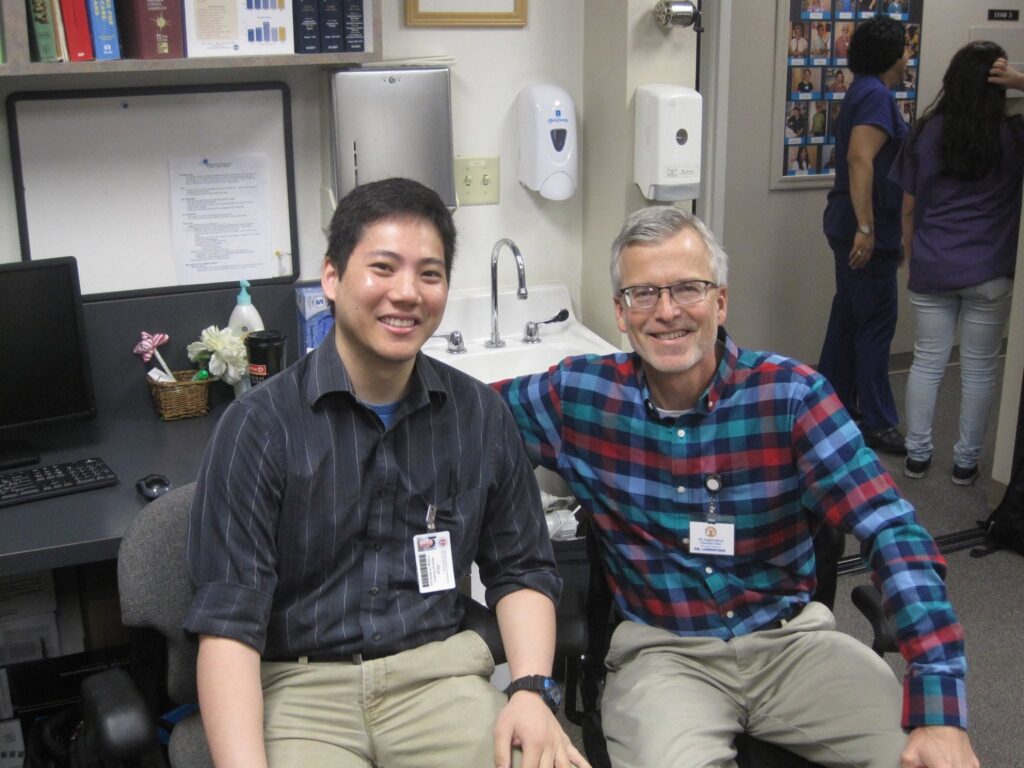
Photo Courtesy The Neighborhood Christian Clinic
This mission moved Executive Director Angie Shope. When she found out how many people were living without health insurance in Phoenix alone, she said, “I didn’t realize there were so many. Knowing that the Clinic provides low-cost care to the uninsured and underserved — that touched my heart.” She elaborated on the importance of the Clinic’s work: “In other clinics, you wait and may see the doctor for a brief time, and that’s it. Here, we stop to ask, ‘How are you doing?’ or ‘Can we pray with you?’ That changes everything.”
What has kept the doors open, according to those who opened them, is a conviction that medicine and ministry cannot be pulled apart. “We are a Christian clinic, but we take patients of all faiths. We accept everyone who comes here,” Dr. Lorentsen said in a recent interview aired on Arizona Midday.
The numbers have grown steadily alongside that welcome. Between opening night and November 2025, the clinic has provided care for more than 16,000 patients. In 2025 alone, it logged more than 10,400 patient visits across more than 2,400 unique patients. That October alone, it recorded 675 medical visits and more than 1,000 visits total once dental care is included. Patients contribute a modest, “dignity-affirming” fee: $40 for a medical or behavioral health visit and $50 for dental care, a practice the clinic says helps people “take ownership of their care,” rather than covering costs. Donors cover the cost gap.
Video Courtesy The Neighborhood Christian Clinic
This year, the whole-person model gained its third piece. On March 30, 2026, the clinic launched formal behavioral health services, folding counseling alongside the medical and dental care it already offered. “For many of our patients, health challenges do not exist in isolation. Behavioral health is deeply connected to physical health, emotional well-being, and a person’s ability to move forward with hope,” Shope said in a statement announcing the launch. “We are grateful to begin offering this care as part of our mission to serve uninsured and underserved neighbors with compassion, dignity, and the love of Christ.”
Helping lead that new effort is Irene Vega-Morales, a Licensed Associate Counselor (LAC) who joined the Behavioral Health team this year to serve the Spanish-speaking community she grew up in. In a profile the clinic published, she said, “There was a lot of need in my community and even in my own family. Mental health issues often went unnoticed or were dismissed.” Patients, she added, often tell her something simple and unguarded: “I can finally talk to someone who understands me.” In the face of a lack of Spanish-speaking therapists, she elaborated, “I wanted people to have access to someone who understood their experiences, their family dynamics, and their cultural background.” And she can see the impact she is having over time: “Sometimes by the fourth visit, I can already see significant change. It’s a reminder that God works through even the smallest moments through listening, encouragement, and simply being present.”
One of those patients, whom the clinic identifies only as Sarah to protect her privacy, came in asking for a routine check-up and a dental exam, according to an account the clinic later shared. As trust built during the visit, what surfaced ran deeper than a toothache: stress, poor sleep, and an anxiety she had been carrying largely alone: “I guess . . . I’ve been dealing with a lot of anxiety for a long time. And loneliness. More than I let others see.” By the visit’s end, she asked for something she had not expected to want. “I’m not really sure what I believe about God,” she said, “but I wouldn’t mind if you prayed for me.” The staff did.
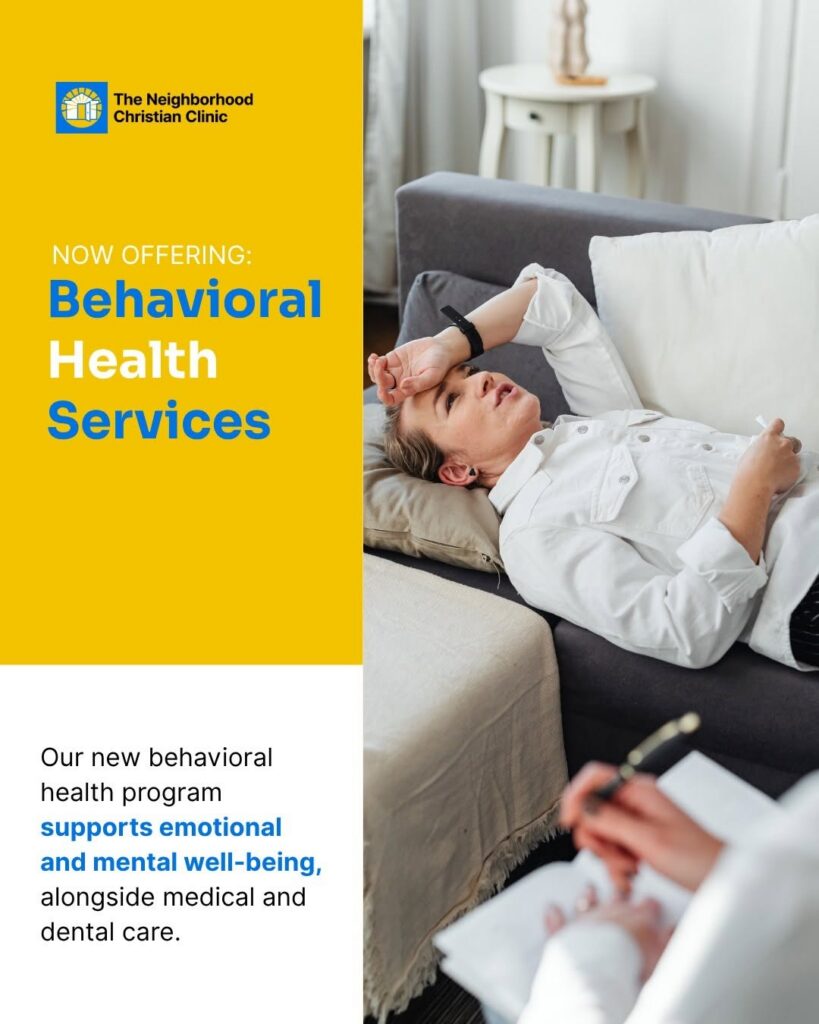
Photo Courtesy The Neighborhood Christian Clinic
The clinic’s reach now extends well past its own waiting room. Working with Grand Canyon University, it developed a free, five-course Whole Person Care curriculum that trains doctors, nurses, and students nationwide to bring faith into everyday medicine. Michael, a recent biochemistry graduate weighing medical school while volunteering at the clinic, saw what that training looks like in practice when he first translated for a patient during a prayer. He told the clinic in his own volunteer profile, “You’re not just treating the illness. You’re giving someone hope.” Shope elaborated, “Our vision is to create a movement in healthcare — to equip providers and medical staff to share the Gospel with their patients. That’s what makes NCC unique.”
Dr. Lorentsen’s own decades of teaching were recognized this year with a volunteer faculty award from the University of Arizona College of Medicine – Phoenix, more than 25 years after he first started training students at the clinic’s side. The Neighborhood Christian Clinic reflected, “While this award bears Dr. Paul’s name, it also points to something larger: the Clinic’s calling to be a place of healing and formation.”
Twenty-six years in, the Clinic remains that place for every patient who walks through its doors.
Video Courtesy The Neighborhood Christian Clinic
 Copyright
2026
Root and Vine
Copyright
2026
Root and Vine